Research
We study how energy and water infrastructure interact with ecosystems and the benefits they provide.
We take an ecosystem perspective on engineered systems, aiming to build fundamental and applied knowledge about how they alter, and are altered by, biological, chemical, and physical processes. Our findings inform solutions that balance trade-offs and work for both people and nature.
The ecosystem dimensions we study include biogeochemical cycles, greenhouse gas dynamics, hydrology, water quality, land use patterns, and biodiversity, primarily in water-based systems such as dams, hydropower facilities, floating solar installations, and aquaculture operations. We sometimes venture into land-based systems like ground-mounted solar. We work across scales, from focused studies at individual sites to analyses that span regions and the globe.
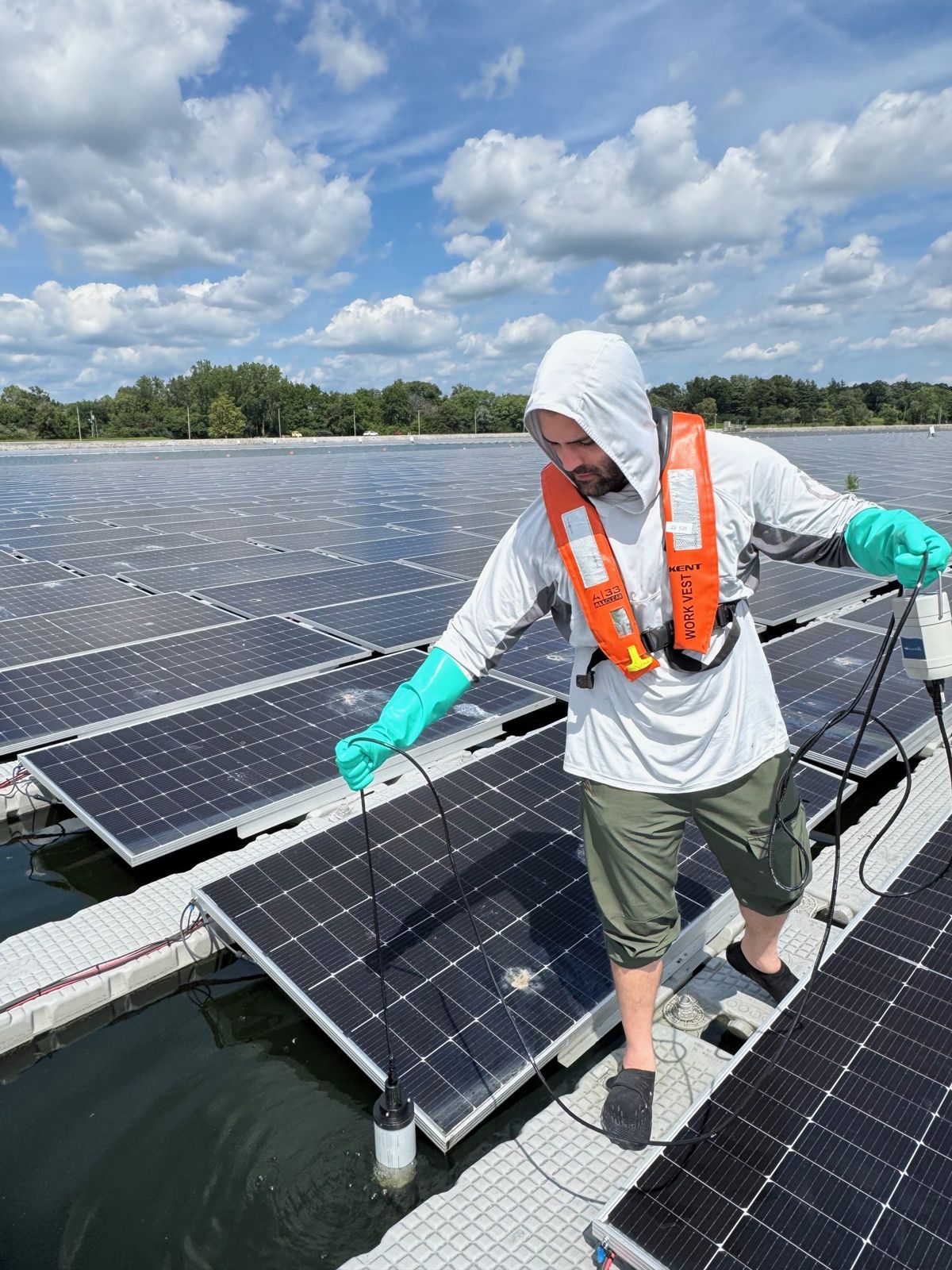
Ecological trade-offs and system-level benefits of floating solar energy
The deployment of floating photovoltaics (FPV) on water surfaces has rapidly accelerated from scattered pilot projects to large-scale arrays on reservoirs and other water bodies worldwide. We study how engineered shading alters aquatic light environments, primary producers, food webs, and biogeochemical cycles, and we track potential releases of contaminants.
Our current work includes testing how much shading is ‘too much’, mapping where and how quickly FPV is spreading, and examining system-level benefits such as boosting generation from existing reservoirs, reducing land use conflicts, and building climate resilience. We combine field experiments, remote sensing, and energy modeling with the dual goal of advancing ecological theory related to persistent light limitation and guiding low-impact design and deployment of FPV systems.
Related projects and funding
- Supported by an IU Research Bridge grant and a previous grant from the USDA National Institute of Food and Agriculture (NIFA).
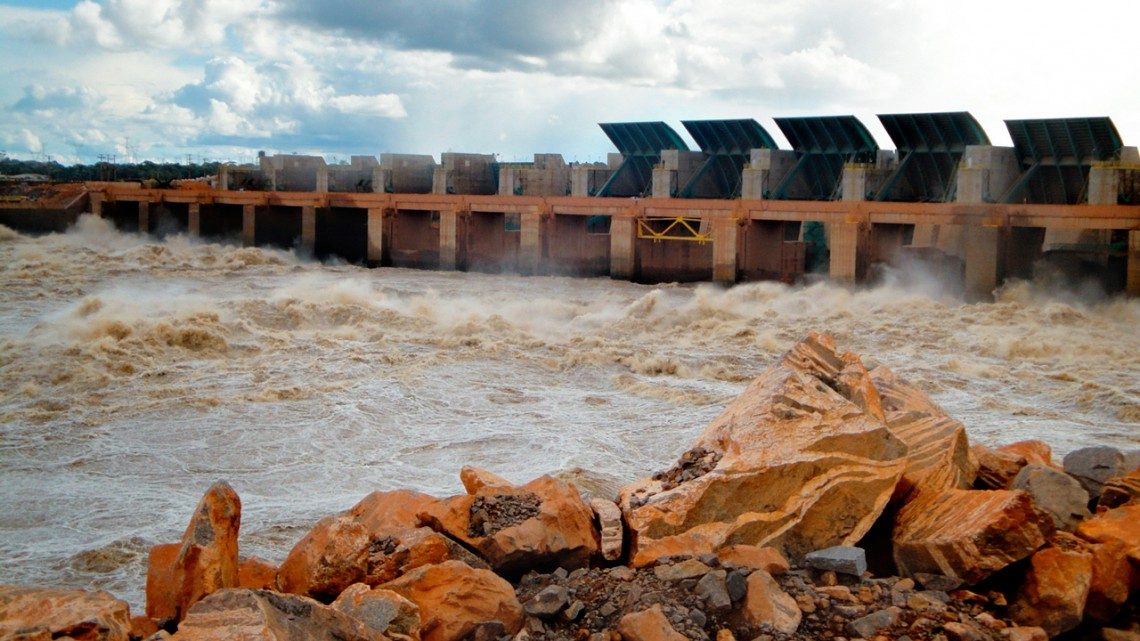
Ecosystem-smart hydropower futures
Our work explores how to modernize and strategically plan hydropower so it meets low-carbon energy needs while safeguarding freshwater ecosystems. We study existing and potential future projects to understand and anticipate their environmental impacts and to draw lessons from the past to guide better futures.
We are especially curious about emerging trends and technologies, such as hybridization with floating solar, pumped storage, and turbine upgrades, and integrate greenhouse gas dynamics, hydrology, biodiversity, and water quality into broader energy system frameworks to identify pathways for expanding renewables with minimal ecosystem disruption. Our efforts span global analyses as well as focused case studies in biodiverse and culturally important regions such as the Amazon and the Western Balkans.
Related projects and funding
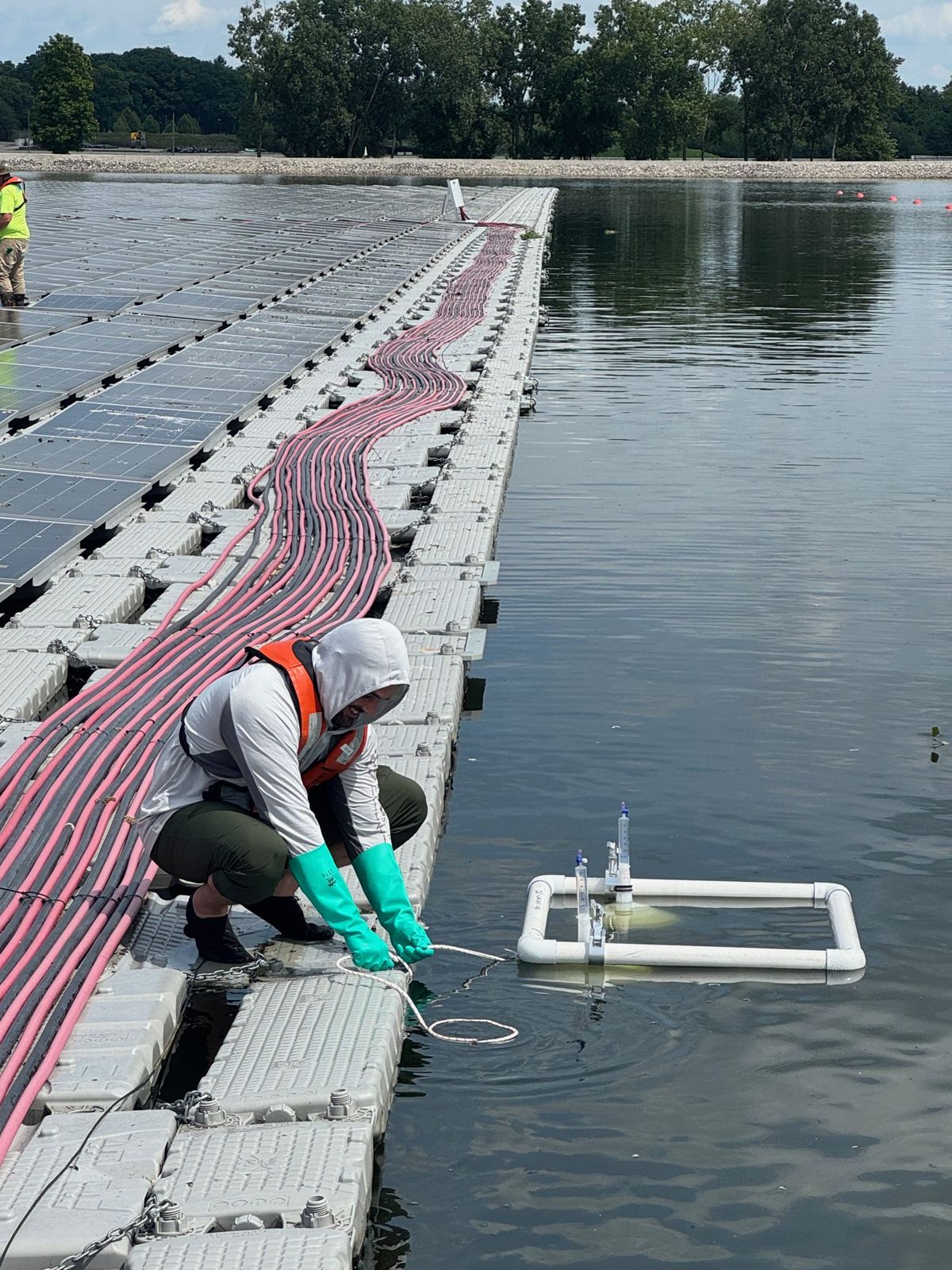
Methane dynamics in human-made aquatic ecosystems
Methane is a potent greenhouse gas, and human-made aquatic ecosystems often emit it at higher rates than natural waters or the landscapes they replaced. We study methane dynamics to understand both its cycling and emission patterns in individual sites, such as reservoirs and fish-farming ponds, and to reveal its broader sustainability implications for water-based energy and food systems like hydropower and aquaculture.
We combine field measurements with existing datasets to develop predictive models that inform system-level assessments and guide sustainable design and management of these infrastructures.